The Practice
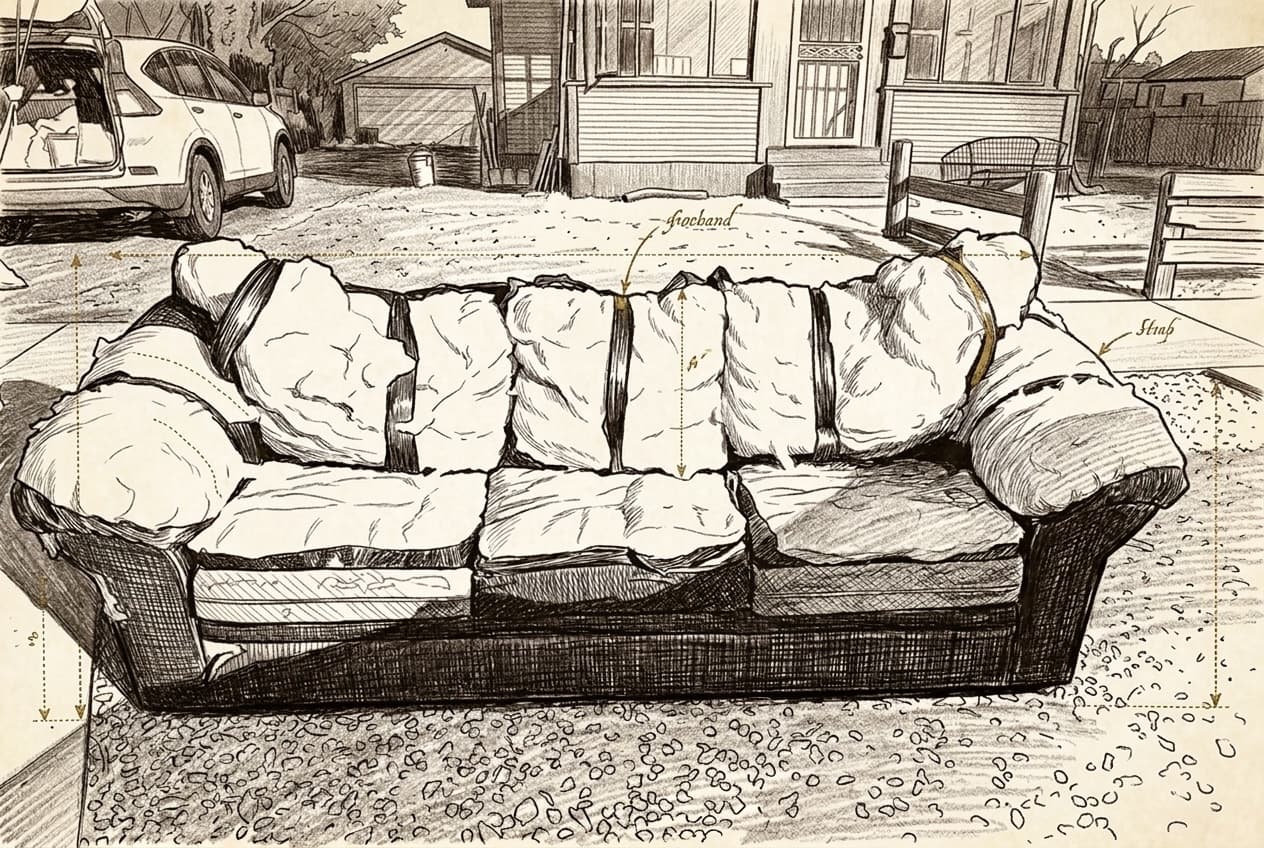
Craigslist Free has leather couches on it most weeks. Sometimes listed, sometimes already sitting on the curb ready for pickup. I drive out and check the material first, because half of what the world calls leather is plastic wearing a costume. Flame test, grain check, the smell.
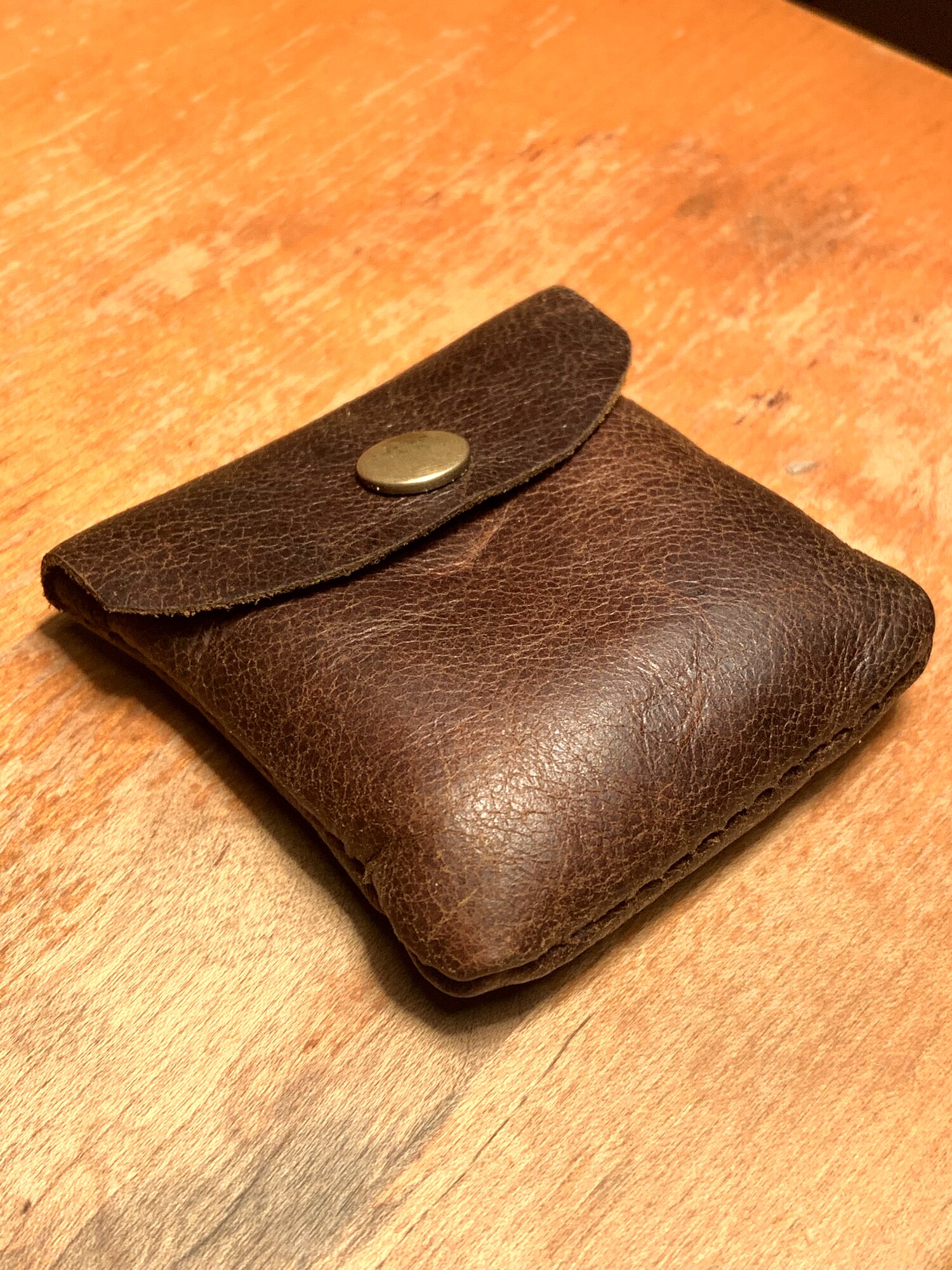
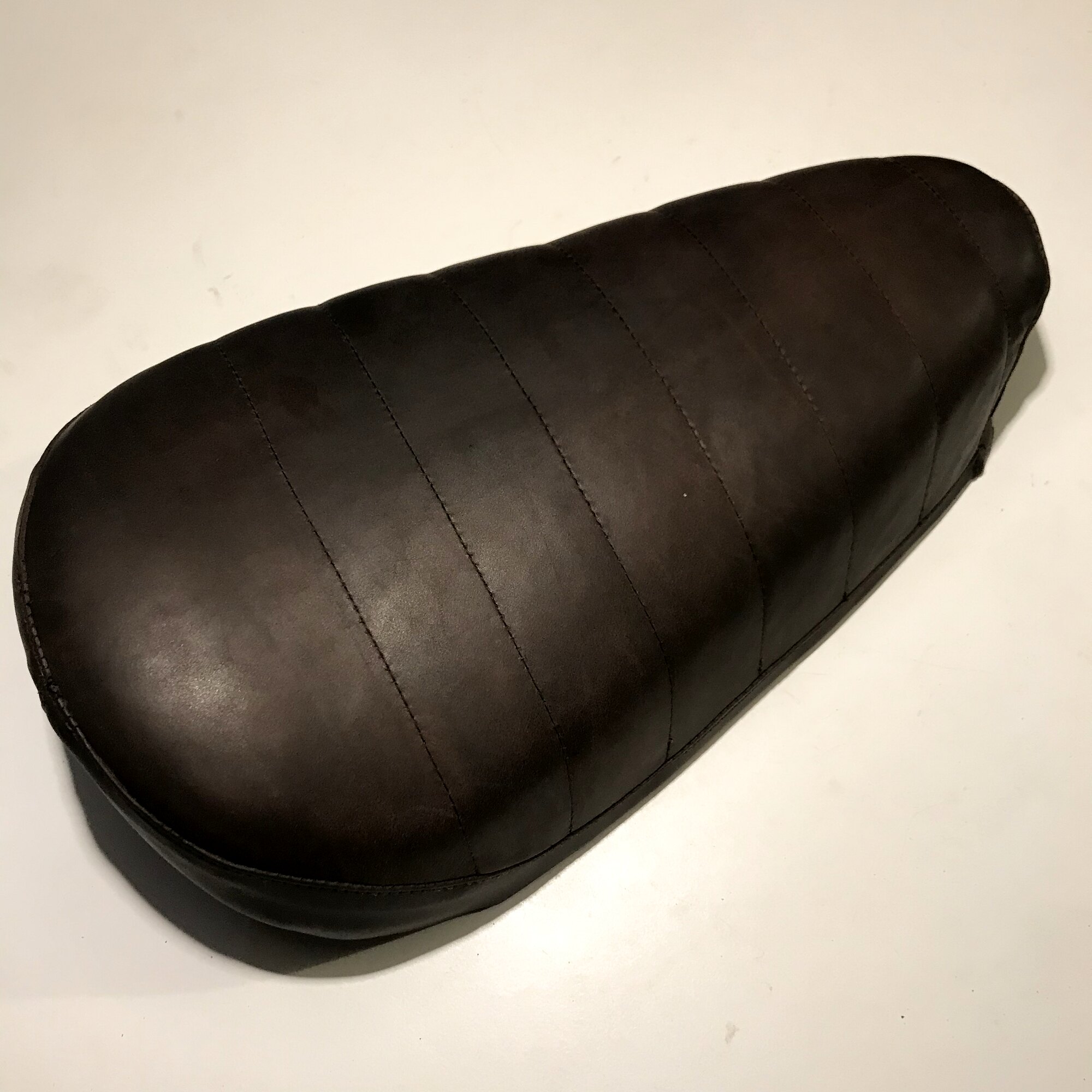
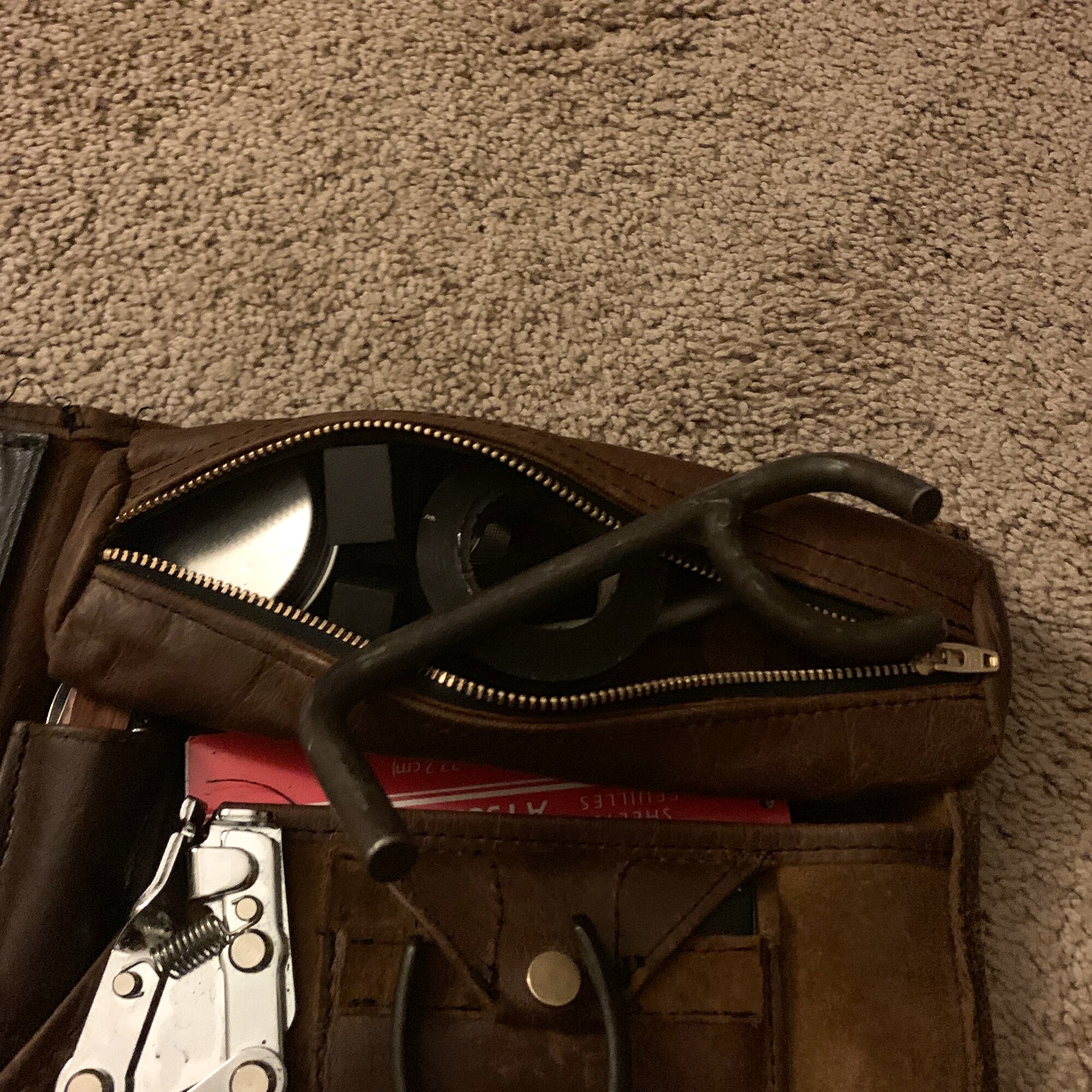
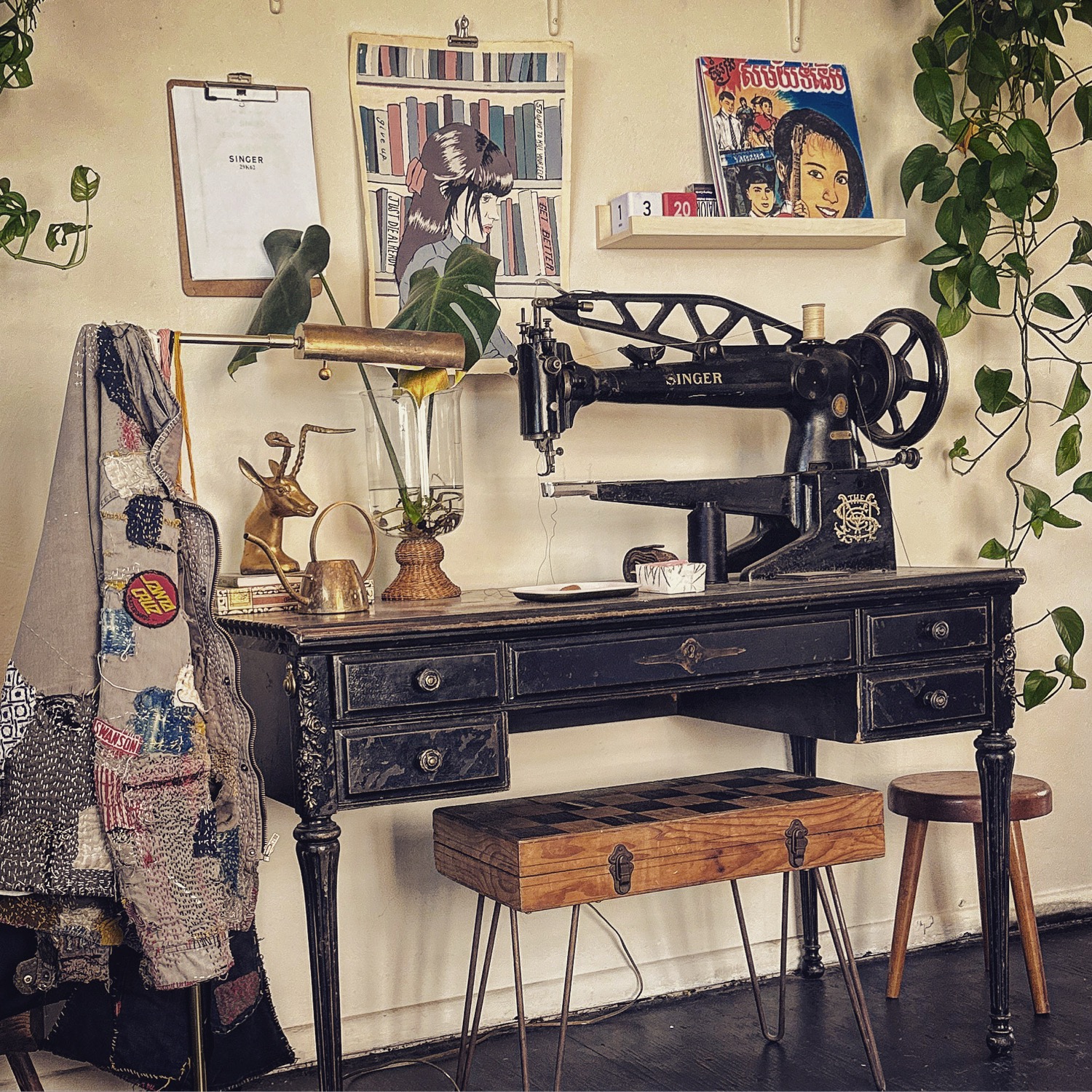
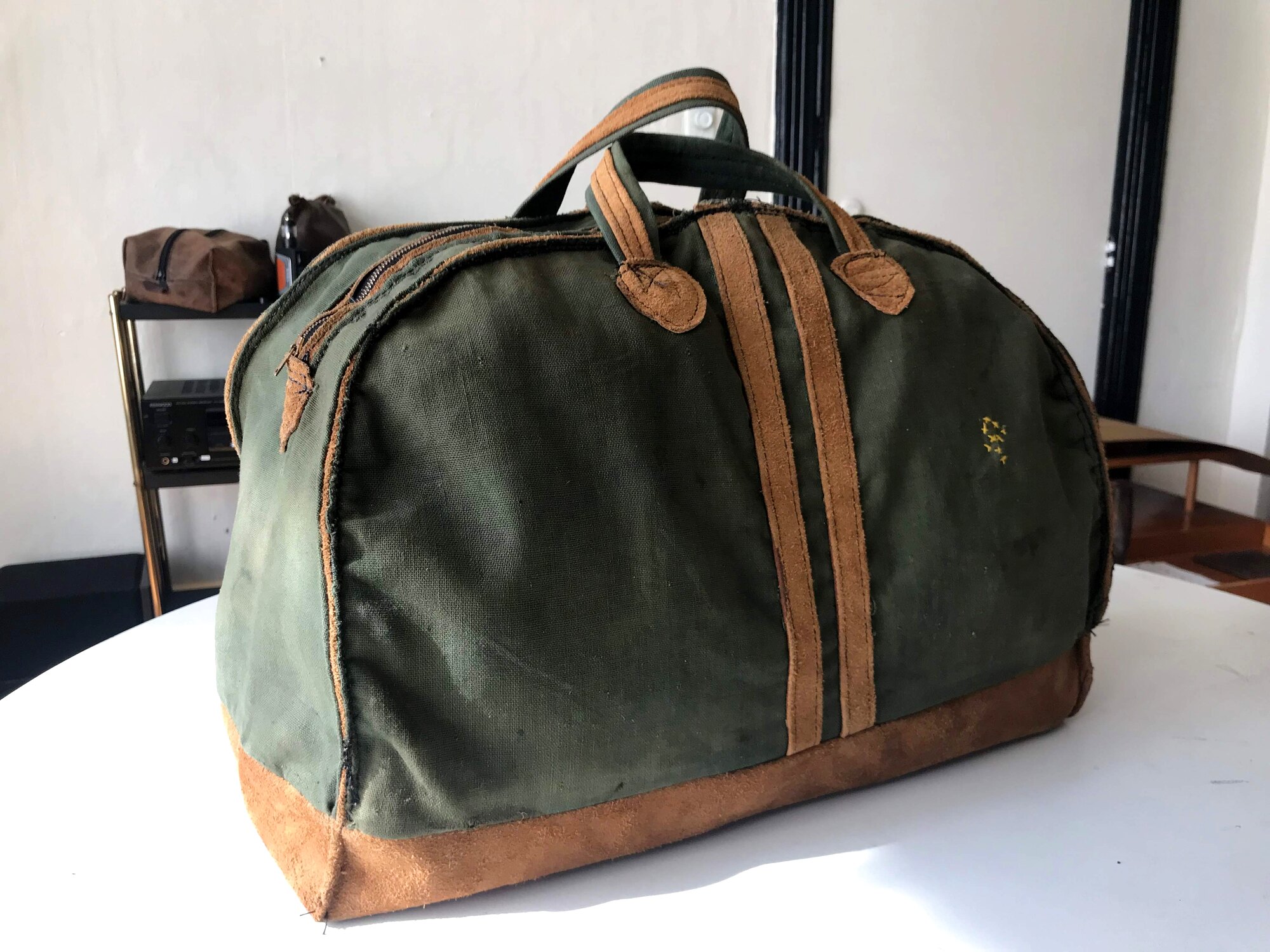
If it is real, I skin the couch. Right there on the curb if that is where it lives. Panels come off in order: chair-back, seat, arms. Large, clean pieces of genuine material that someone decided was garbage. It goes home to the sewing machine and becomes the raw stock for everything I make in leather. A side bag here, a wallet there, an aproned tool roll, all of it once somebody's couch.
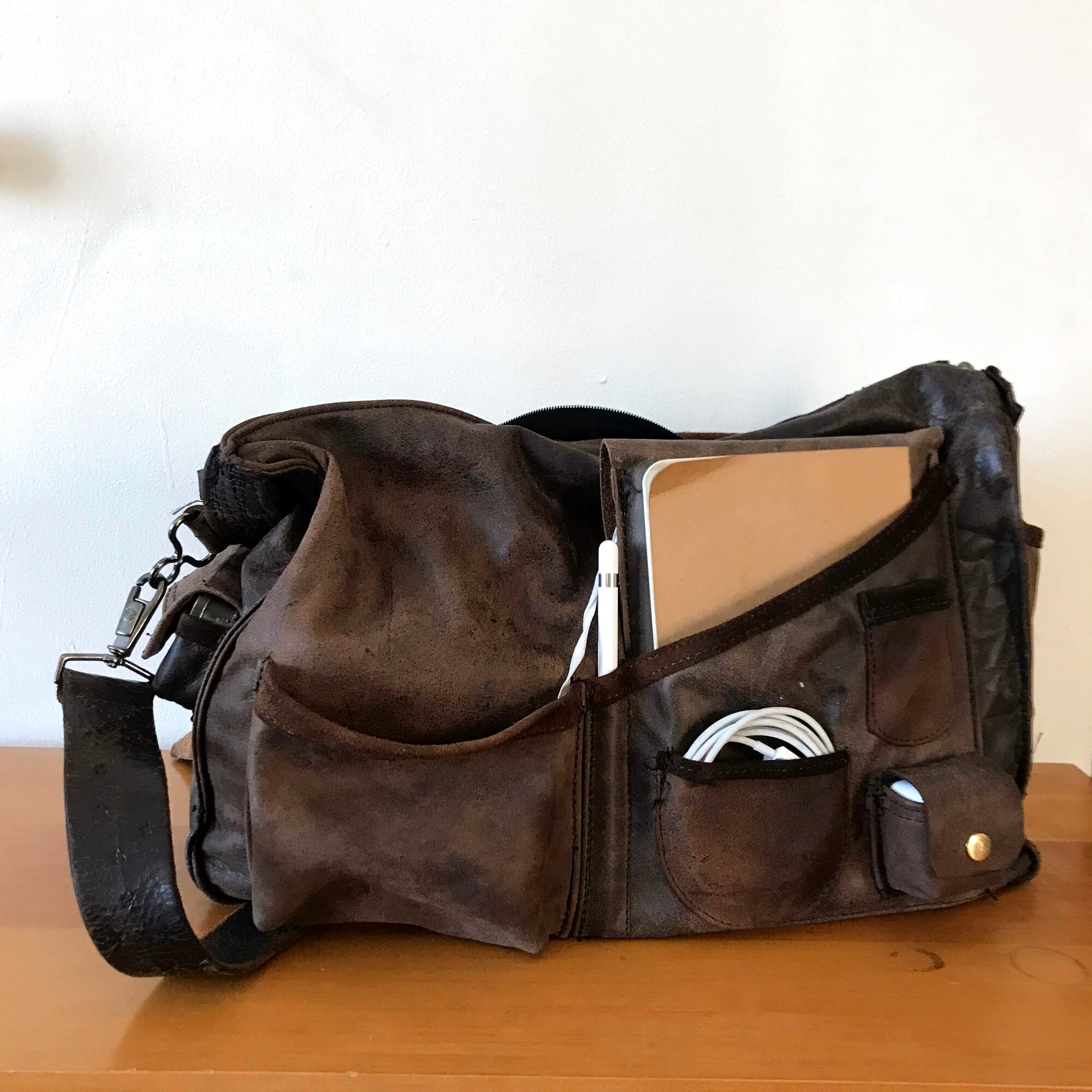
The couch was already going to the landfill. This is recovery, not theft. The material is expensive, it is useful, and an animal died for it.
The Confession
When I started doing this it reminded me of how the Plains tribes used a buffalo: meat for nourishment, hide for shelter and clothing, bone and sinew and horn, every part carried forward. That comparison flattered me for about a week.
Then I was honest about it. There is a scene in Dances with Wolves where they crest a hill and the prairie is covered with skinned carcasses, hide hunters having taken the leather and left everything else to rot. That is me. I take the hide and leave the couch. The frame, the springs, the stuffing, all of it stays on the curb for the landfill truck.
The project exists because that bothers me.
The Full Bison
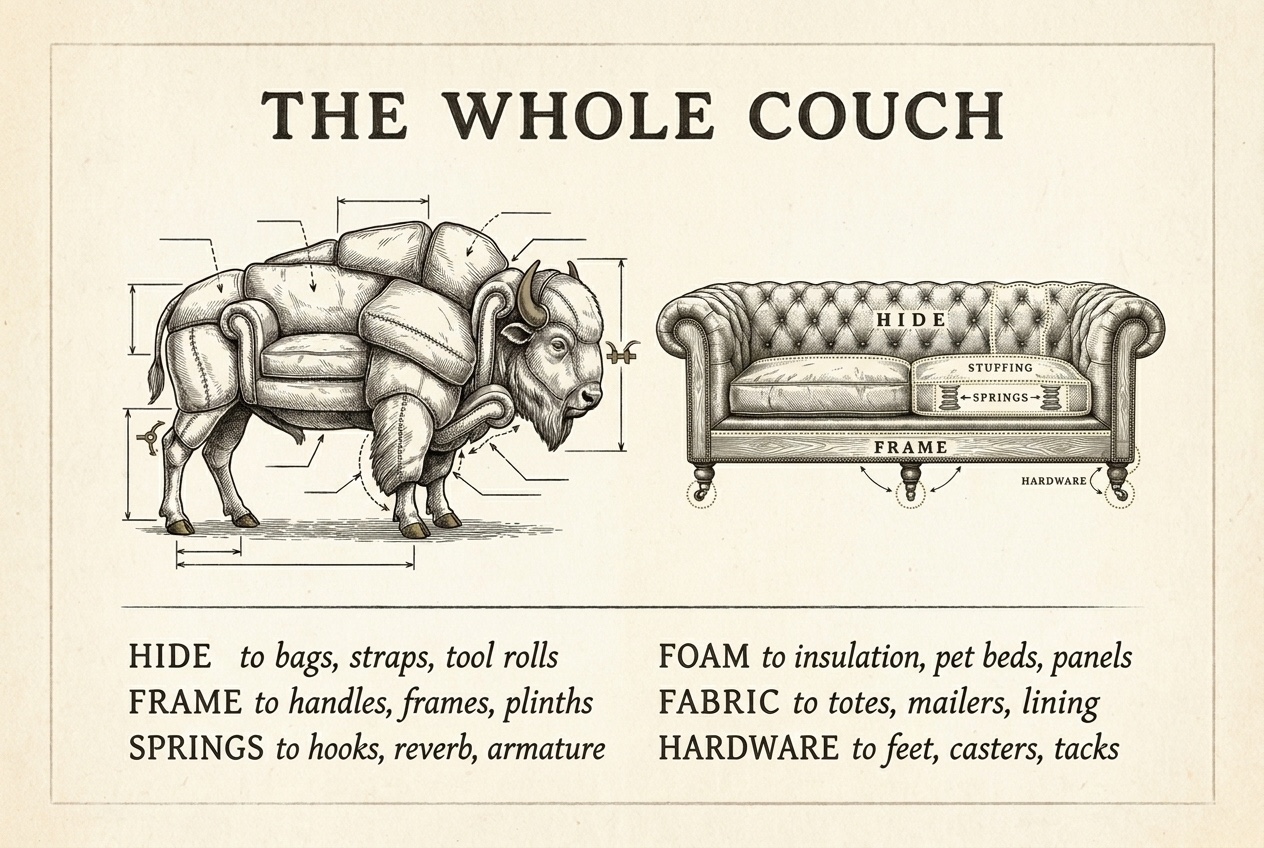
With time, or a grant, the practice becomes the artwork. Source one discarded couch. Do not rush the skinning: cut on the seams, every panel removed whole, the way the original upholsterer assembled it, in reverse and with respect. Then keep going, because the hide is maybe a third of the animal.
The parts ledger, with first candidate uses:
- The hide. Bags, aprons, tool rolls, journal covers, straps. The proven harvest; the sewing machine already knows this material.
- The frame. A couch is a small lumber yard: rails, slats, hardwood corners. Mallets and tool handles, picture frames, stretcher bars, and the display plinths for the show itself, so the exhibition furniture is the couch too.
- The springs. Coat hooks and sculpture armature, sure. But a coil under tension is also an instrument: a spring reverb tank built from couch springs would let the couch literally echo. The audio projects in this workbook would put it to work the same week.
- The stuffing. Insulation for a jacket lined with the hide it used to sit under. Pet beds. Acoustic damping panels for the recording corner. Packing material for everything this workbook ships.
- The fabric, webbing, and dust cloth. Tote bags, zine mailers, strapping, lining for the leather goods.
- The hardware. Feet, casters, brackets, brass tacks: fasteners and feet for the new objects, so even the screws survive the translation.
- The remainder. Whatever genuinely cannot be used gets weighed and named on the manifest. The honest number is part of the piece; pretending there is no waste would be its own kind of plastic.
The Show
Month one in the studio: the couch comes apart and becomes objects. Month two in the gallery: the objects on display, each one traceable back to the cushion or panel or rail it came from, alongside the manifest. What went in: one couch, listed free. What came out: everything on the tables. What remained: the honest number, posted.
Viewers hold a bag and find the seam line where an armrest used to bend.
The Argument
Two edges. First, the materials we discard daily are not waste; they are inputs we agreed to misclassify. Second, the skill of seeing materials through their uses instead of their packaging is recoverable, and once recovered it permanently changes how the curb looks on trash night.
A leather couch is only a couch because we agreed to call it one.
The Imagery
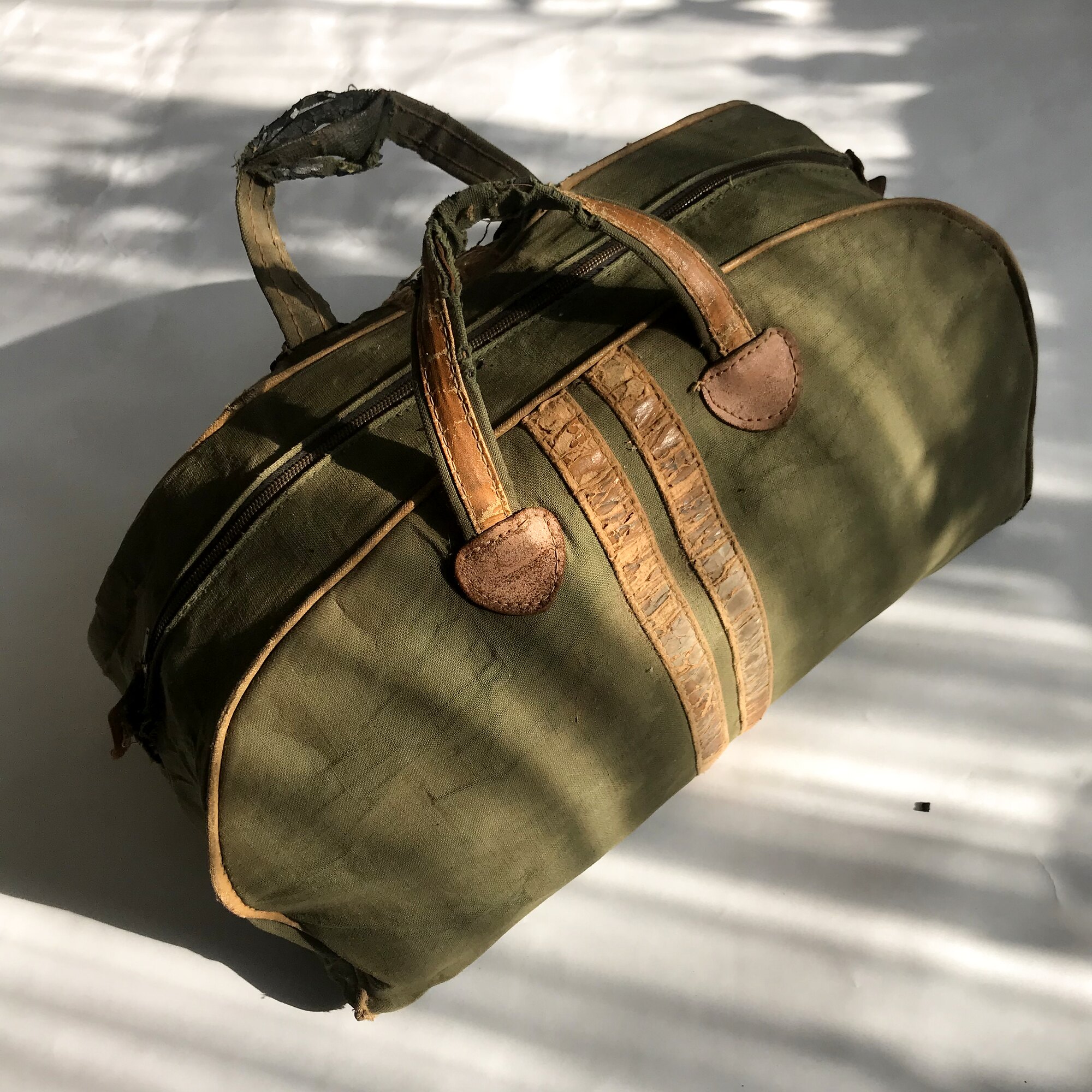
Real photographs of the practice now, not just the diagrams: the curb find skinned up top, the objects it became below. Documentary, cleaned up but never falsified. The catalog plates stay where a diagram says it better than a photo, like the butcher-chart of a couch: the animal mapped into its cuts.
Status
The harvest: ongoing, real, and the leather stock keeps growing. The full bison: seeking a studio and a grant. The confession stands until the grant erases it.